Top Characteristics to Consider in a Business Electrician for Your Business
Selecting the appropriate business electrical contractor is essential for any company. Important characteristics such as proper certifications, demonstrated expertise, and a commitment to safety can greatly impact project outcomes. Clear dialogue and tailored solutions also serve as vital components in meeting particular organizational requirements. Understanding these factors can result in more informed decisions. What else should businesses consider when evaluating potential electricians?
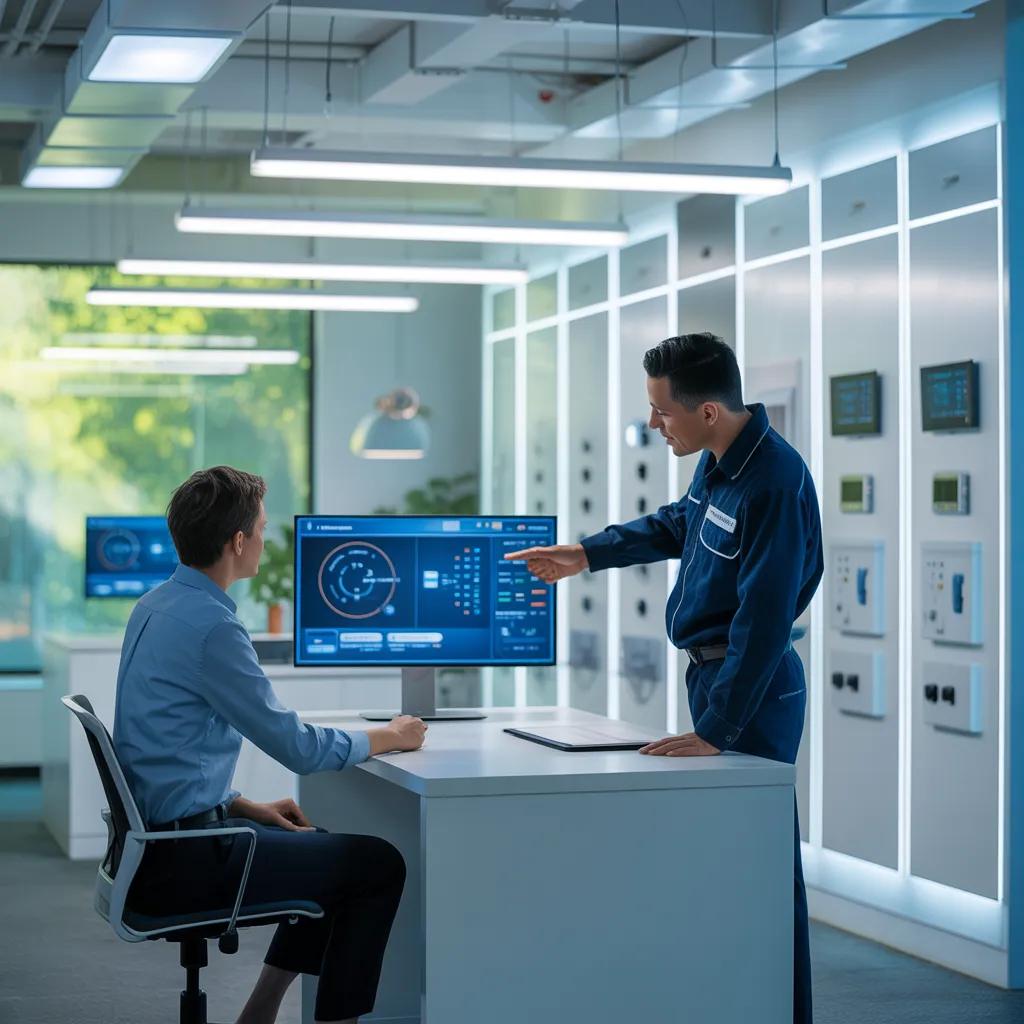
Why Pertinent Licenses and Certifications Matter
Regarding the commercial electrical sector, valid qualifications and credentials represent vital indicators of a professional's skill level and adherence with industry standards. These credentials guarantee that electrical technicians hold the requisite abilities and understanding to work with complex electrical infrastructure securely and efficiently. Regulatory agencies establish demanding courses and examinations that electricians are obligated to finish to obtain these credentials, reflecting their dedication to industry best practices.
Additionally, licenses often demand ongoing education, keeping professionals stay current with the latest advancements and compliance standards. This perpetual training is important in a rapidly evolving industry where adherence to safety codes is essential. Businesses and clients can have higher trust when bringing on electricians with verified credentials, understanding that they are equipped to minimize risks and deliver excellent results. Ultimately, the presence of appropriate permits and certifications not only enhances the standing of commercial electricians but also supports the overall reliability and safety of electrical installations.
Demonstrated Knowledge in Commercial Initiatives
These professionals are skilled in deploying energy-efficient solutions and complying with sector standards, ensuring that undertakings meet both operational and security requirements. Additionally, their knowledge of diverse commercial structures—ranging from retail spaces to office buildings—positions them to foresee potential issues and deliver customized approaches.
Reviewing an electrician's body of work featuring past commercial projects gives extremely valuable perspective into their capacity to address challenges and reliability. At the end of the day, hiring an electrician with proven commercial experience can greatly influence the success and efficiency of a company's electrical systems.
Prioritizing Safety Requirements in Electrical Work
In the domain of commercial electrical services, highlighting safety standards is paramount. Compliance with regulations ensures that all installations fulfill legal requirements, while the selection of quality materials safeguards against potential hazards. These practices not only protect workers but also enhance the steadiness of electrical systems in commercial settings.
Adherence to Regulations
While dealing with the complexities of electrical work, a commercial electrician must prioritize compliance with regulations to guarantee safety and functionality. Following local, state, and national codes is essential, as these guidelines are designed to protect both the public and the property. An experienced electrician understands that failure to comply can result in hazardous conditions, legal repercussions, and costly repairs. Regular training and updates on regulatory changes are critical for maintaining compliance. In addition, a reputable electrician will possess the necessary licenses and certifications, demonstrating their commitment to industry standards. Ultimately, emphasizing compliance not only enhances safety but also fosters trust with clients, ensuring long-term success in commercial electrical projects.
Application Of Premium Materials
Quality materials play a pivotal role in guaranteeing safety standards within electrical work. Those commercial electricians who prioritize the use of high-quality components mitigate risks connected to electrical failures, including short circuits and fires. Employing robust materials enhances system durability and secures compliance with safety protocols. When selecting an electrician, it is essential to ask about the types of materials they use. Electricians who are committed to quality will source components from trusted manufacturers, thereby providing peace of mind to business owners. Furthermore, the integration of quality materials reflects professionalism and a commitment to long-term performance. In the end, businesses emphasizing safety experience lower maintenance costs and a safer workplace for both employees and customers.
Why Outstanding Expression Abilities Are Fundamental?
How can a commercial electrician effectively navigate complex projects if they are deficient in superior communication aptitudes? Clear communication is indispensable for a successful collaboration between electricians, project managers, and clients. It guarantees that everyone maintains alignment regarding work parameters, timelines, and budget constraints.
Electricians need to convey technical concepts in a manner that non-experts can grasp, supporting informed selections. Communication breakdowns can cause try now costly slowdowns, safety hazards, or incomplete work. Furthermore, strong interpersonal skills create trust and rapport, nurturing a positive working environment that increases productivity.
Listening holds equal importance; a competent electrician must be able to grasp client needs and preferences. This reciprocal communication allows for changes and issue resolution throughout the project. Ultimately, robust communication skills not only enhance operations but also contribute to overall project success, making them a crucial quality for any commercial electrician.
Creating Individualized Power Solutions for Your Business Needs
Comprehending the distinctive electrical needs of a business is crucial for any commercial electrician. Each enterprise has different operational needs, which can vary greatly based on industry, facility size, and particular equipment specifications. A skilled commercial electrician recognizes the significance of conducting thorough evaluations to determine these requirements, guaranteeing that remedies are not only effective but also economical.
Professional electrical solutions can range from efficient lighting setups to comprehensive rewiring projects and specialized installations. By tailoring offerings, electricians can improve security, improve energy efficiency, and facilitate company expansion. Furthermore, a skilled electrical professional stays updated on sector guidelines and technological advancements, allowing for cutting-edge approaches that comply with present requirements.
Implementing customized solutions ultimately leads to improved efficiency and reduced downtime, making it an essential characteristic in a commercial electrician. Businesses benefit greatly from electrical professionals emphasizing personalized strategies, ensuring that all power infrastructure align seamlessly with business objectives.
What Positive Customer Feedback Show About Your Electrical Professional?
Positive customer reviews act as a powerful indicator of an electrician's dependability and expertise. When businesses get consistent commendation for an electrician's work, it demonstrates not only technical proficiency but also excellent client relations skills. Positive feedback often emphasizes timeliness, professionalism, and clear communication, all essential traits for a successful commercial electrician.
Additionally, evaluations can offer understanding of the electrician's problem-solving abilities, demonstrating how they handle unexpected obstacles. Customers frequently note the workmanship quality, which is crucial for guaranteeing long-term safety and compliance with regulations.
Furthermore, a large number of positive reviews can signify a solid standing within the community, suggesting that the electrician is trusted by peers and clients alike. Ultimately, these reviews serve as a important tool for businesses looking to choose wisely when picking the right electrician for their needs.
Frequently Asked Questions
Checking an Electrician's Credentials and Certifications - Which Method?
To substantiate an electrician's credentials and qualifications, one should contact local and state regulatory bodies, review paperwork supplied by the electrician, and reference digital registries that track licensing status and any disciplinary records.
What Kinds of Coverage Should a Commercial Electrician Have?
A commercial electrician needs to carry general liability insurance, workers' compensation insurance, and, if applicable, professional liability coverage. These insurances guard both the electrician and the client from potential accidents, damages, and legal claims during projects.
How Might I Assess an Electrician's Reliability and Punctuality?
To evaluate an electrical specialist's trustworthiness and timeliness, one should examine client endorsements, check references, and analyze past project timelines. Additionally, evaluating their ability to communicate effectively can provide insights into their dependability and commitment to schedules.
What Are the Average Costs Involved in Contracting a Commercial Electrician?
Costs for employing a commercial electrician differ based on work complexity, going from $50 to $150 per hour. Other variables involve materials, location, and time sensitivity, with total project estimates often reaching several hundred to thousands of dollars.
How Long Does a Commercial Electrical Project Require to Complete?
The length of a commercial electrical project generally ranges from a few days to several weeks, based on the project's complexity, scope, and the productivity of the team of electricians working on the work.